
7 hr 30 min
Danube Bend Cruise to Szentendre
Sail the Danube to a historic riverside town filled with art galleries, Baroque charm, and Hungarian flavors.
Reserve

Hand-picked by our editors — only the best 5 experiences from 14 reviewed
Verified partners for every tour, free cancellation where available, and instant confirmation on every booking.
7 hr 30 min
Sail the Danube to a historic riverside town filled with art galleries, Baroque charm, and Hungarian flavors.
Reserve
9 hr
Journey through three historic riverside towns, exploring medieval fortresses, baroque streets, and Hungary's grandest cathedral.
Reserve
9 hr 30 min
Full-day excursion along Hungary's scenic Danube River with historic towns, medieval castles, and traditional meal
ReservePrices from verified partners. Availability updates in real time at checkout. Free cancellation policies apply where shown.
The landmarks, rooms, and views travelers on this tour remember — all visible on a single visit.
A defensive fortress dating to the 13th century that offers views of the river bend. It once served as a royal residence for Hungarian kings.
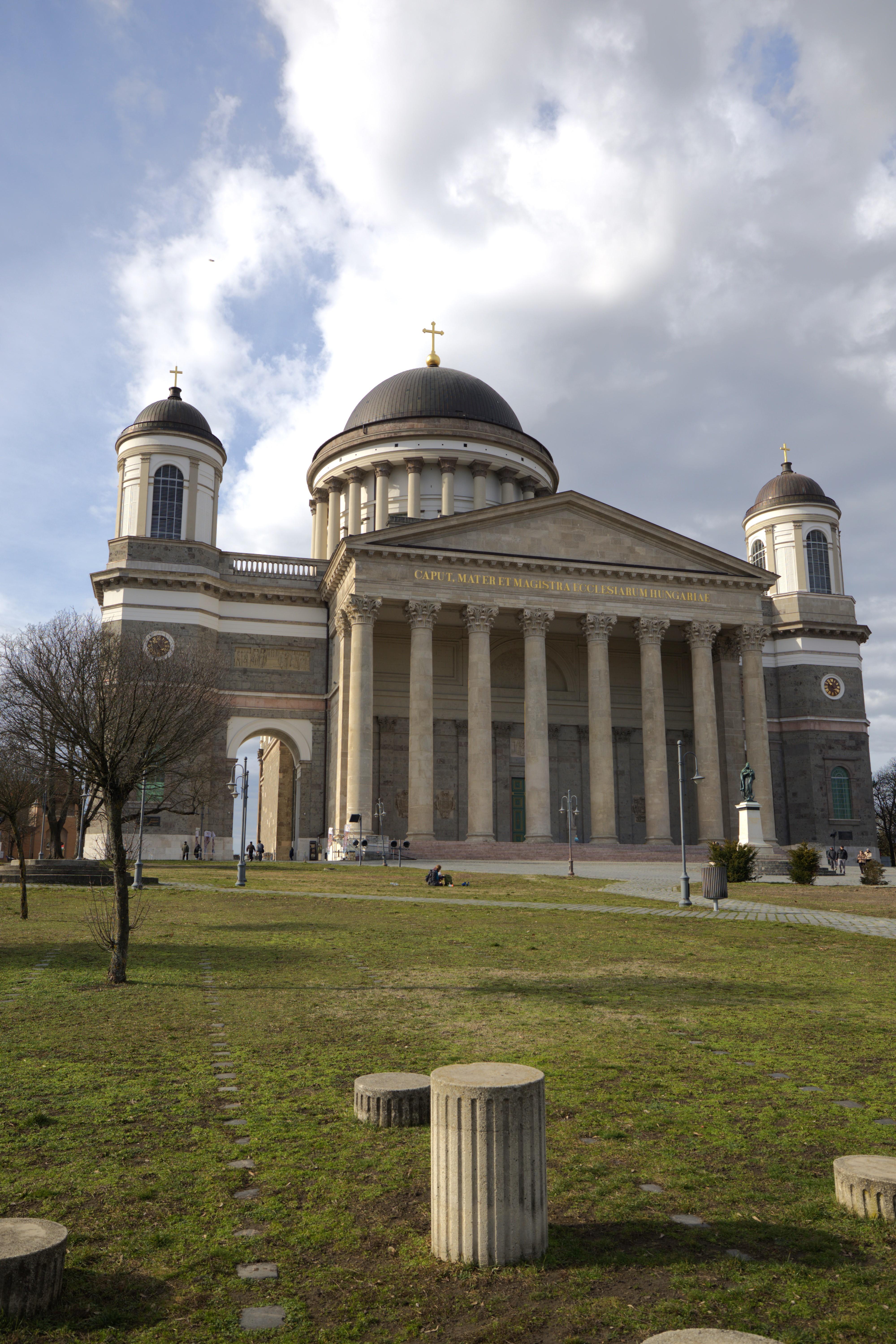
The largest church in Hungary and a symbol of national history. It features a massive dome that can be seen from miles away.
This heritage site preserves traditional rural architecture from various regions of Hungary. It features hundreds of relocated historic buildings.
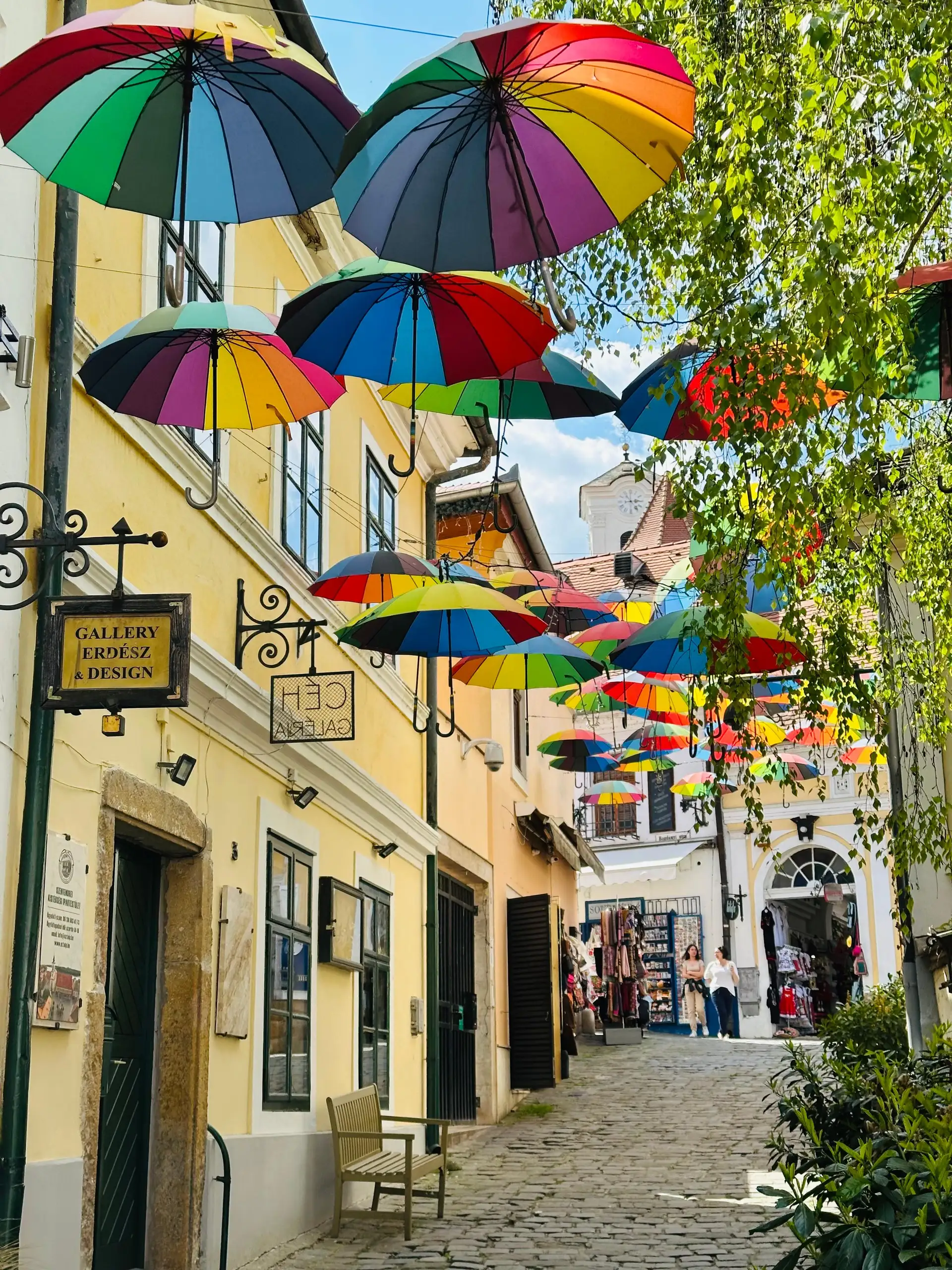
A charming artist village known for its narrow cobblestone streets and vibrant galleries. It serves as a creative hub in the region.
A historic tower forming part of the Visegrád fortress complex. It is a prime example of Romanesque architecture in Hungary.
Guided excursions offer seamless organization, while independent travel provides the freedom to explore at your own pace. Most visitors who choose a danube bend full day tour value the stress-free logistics, whereas independent explorers prefer the autonomy of local train and boat routes.
| Feature | Top pick Guided Tour | Independent Transit |
|---|---|---|
Logistics |
Pre-planned transport included | |
Navigation effort |
Minimal with local guide | |
Flexibility |
Fixed itinerary structure | |
Group size |
Varies by operator | |
Cost |
4,000 HUF entry included | |
Overall experience |
Structured regional sightseeing | |
| See tickets → |
Verdict: Choosing between these Danube Bend full day tour tours and independent travel depends on whether you prioritize convenience or the spontaneity afforded by individual Danube Bend full day tour tickets.
Choose your ticket, select your date, and reserve in under two minutes. Secure checkout handled by our verified partner.
Instant confirmation by email, with a mobile voucher you can save offline. No printing, no queuing at a collection desk.
Arrive at the entrance, show your voucher on your phone, and walk in. Most tickets include priority or skip-the-line access.
Practical details for your visit straight from our verified partners — hours, access, rules, and how to get there.
Central location specified on voucher
Private transport pick-up
Regional trains run frequently from Budapest Nyugati station to Esztergom and Szentendre.
Follow Route 11 along the river for a scenic danube bend full day tour experience.
Wear comfortable walking shoes suitable for cobblestone streets in Szentendre and uneven terrain at the Visegrád Citadel. Modest clothing is recommended when visiting the Basilica in Esztergom.
Standard backpacks are permitted, but large luggage should be left in your vehicle during the danube bend full day tour. Security staff may inspect bags upon entry to the Hungarian Open Air Museum.
Photography is permitted in outdoor areas and most museum exhibitions during your danube bend full day tour. Please refrain from using tripods or flash inside protected historical interiors.
The open-air nature of the Skanzen involves gravel paths and some slopes that may challenge wheelchair users. We suggest checking specific accessibility maps provided at the visitor center for your danube bend full day tour.
Mobile phones are permitted for personal use. Maintain low volumes to respect the experience of other guests on the danube bend full day tour.
The area is ideal for families, with interactive exhibits at the Hungarian Open Air Museum. Children often enjoy the open space during a danube bend full day tour.
Traditional Hungarian restaurants are available in each of the three main towns. It is advised to bring a reusable water bottle during your danube bend full day tour.
Pets are generally not permitted inside museum buildings. Service animals are exempt when documentation is provided.
The danube bend full day tour covers significant distance, so staying hydrated is essential. Please adhere to marked pathways in all heritage sites.
Best time to go, insider tips, nearby landmarks, and the cancellation fine print — flip through to skim what matters to you.
How crowds, weather, and events shift across the year.
High temperatures are tempered by river breezes during your danube bend full day tour.
Mild weather and blooming landscapes make this an optimal time for outdoor explorations.
Cooler air and golden foliage provide a scenic backdrop for visiting regional landmarks.
Sites may have limited accessibility, though the winter landscape offers a quiet atmosphere.
Small details that turn a good visit into a great one.
Start your danube bend full day tour at 09:00 to visit major sites before buses arrive. This ensures a calmer experience at the basilica and Skanzen.
Purchase extra water before heading to the hilltop citadel. The ascent can be demanding during summer months.
Wear broken-in shoes for the gravel paths of the Skanzen. The terrain is largely unpaved and uneven.
Confirm the 4,000 HUF entrance fee for the Skanzen if not included in your tour. Always have a digital copy of your voucher.
Take time to photograph the river from the Esztergom side. It is one of the most iconic angles of the region.
Non-bookable sights within a short walk — free to visit, easy to pair.
A central gathering point featuring historic merchant houses.
The site of royal ruins offering views over the valley.
A riverside path ideal for viewing the bend landscape.
Flexible, no hidden fees.
Full refunds are available for cancellations made at least 24 hours in advance. Entrance fees of 4,000 HUF are typically integrated into your tour package pricing.
Hand-picked options within walking distance — pick a district for vibe, or a specific hotel for convenience.
High-end stay near the Visegrád citadel.
Centrally located in the old town area.
Comfortable lodging near the cathedral.
The Danube narrows sixty kilometres north of Budapest and turns sharply westward, carving a twenty-kilometre arc through the Visegrád Hills that Hungarians call the Duna-kanyar — the bend that held the kingdom's northern frontier for a thousand years. Three towns anchor the loop: Esztergom, where Saint Stephen was crowned in the year 1000 and where the largest basilica in Hungary now rises above the Slovak border; Visegrád, whose thirteenth-century citadel commanded the river from a three-hundred-metre limestone spur; and Szentendre, a Serbian settlement rebuilt by Orthodox refugees in the seventeenth century whose cobbled lanes and baroque spires remain intact. The bend became a royal corridor in the Middle Ages. King Matthias Corvinus built a Renaissance palace at Visegrád in the 1470s, importing Florentine architects and filling the terraces with red-marble fountains that were excavated only in the twentieth century. Esztergom served as Hungary's ecclesiastical capital from the eleventh century until the Ottoman conquest in 1543, when the Turks fortified the basilica hill and held it for a hundred and forty-three years. The current neoclassical basilica, consecrated in 1856, contains the Bakócz Chapel — a Tuscan Renaissance gem completed in 1506, dismantled stone by stone during construction, and reassembled inside the new nave. Its Carrara marble altarpiece is the oldest intact Renaissance structure in Hungary. Szentendre retains the texture of an eighteenth-century merchant town. Serbian families fleeing Ottoman expansion brought icon painters, goldsmiths, and winemakers; seven Orthodox churches were built between 1690 and 1763, each topped with a slender tower rather than a dome to blend with Catholic neighbours. The town's position at the mouth of the Pilis range made it a Habsburg customs post, and wealth arrived in the form of silk, tobacco, and Tokaji wine. By 1770 Szentendre held five thousand residents and printed books in Cyrillic and Greek. The twentieth century emptied it — industry moved to Budapest, the Serbian population dwindled — but the Hungarian Open Air Museum opened on the northern edge in 1967, preserving two hundred vernacular buildings from vanished villages across the Carpathian Basin. The permanent collection includes timber churches from Transylvania, thatched farmsteads from the Great Plain, and a working windmill from 1838.
"King Matthias Corvinus filled the Visegrád terraces with red-marble fountains that were excavated only in the twentieth century."
A step-by-step walkthrough of the visit — what you'll see, how long each stage takes, and the details that matter.
You depart Budapest mid-morning, the river visible intermittently as the road climbs through the Pilis foothills. Esztergom announces itself from five kilometres away: the basilica's seventy-two-metre dome floats above the floodplain, pale green against the Slovakian ridge. You enter through the crypt — black marble columns, cardinal tombs beneath barrel vaults — then ascend to the Bakócz Chapel, where Tuscan pilasters frame a red-marble altar completed in 1506. The treasury occupies the western wing: medieval chalices, ivory crosses, and the thirteenth-century coronation cross used in every Hungarian coronation since. Visegrád is thirty minutes downriver. The lower palace sits beside the road, its hexagonal fountain court reconstructed from Renaissance fragments. A narrow footpath spirals up to the citadel; the climb takes twenty minutes, stone steps giving way to limestone scree, and the view from Solomon's Tower spans the full arc of the bend. Szentendre waits at the southern tip, its lanes threading between stuccoed houses painted ochre, rose, and pistachio. Fő tér opens onto a baroque plague column erected in 1763. The Blagovestenska Church, built in 1752, holds an eighteenth-century iconostasis that rises three tiers to the ceiling, each panel framed in gilded grapevines.
Most sites in the region open at 09:00 and close at 17:00, with Monday closures at the Skanzen. Please plan your visit accordingly.
The standard adult entry fee for the Hungarian Open Air Museum in Szentendre is 4,000 HUF.
We recommend arriving between 09:00–16:00 to avoid heavy tour bus crowds. Early arrival is key for the best experience.
There are no specific age restrictions, though the tour involves significant walking. It is suitable for most active families.
Check our booking portal for available skip-the-line danube bend full day tour tickets for major sites.
Accessibility varies, as some historic sites have uneven terrain. Many outdoor areas are accessible, but internal museum access may be limited.
You can reach the region via regional trains or by car from Budapest. This is a common method for a danube bend full day tour.
Cancellations made 24 hours prior are eligible for a full refund. Please review your specific booking terms.
Local restaurants are available in each town. Your guide for the danube bend full day tour can provide recommendations.
Yes, you are encouraged to bring your camera to capture the landmarks during the danube bend full day tour.